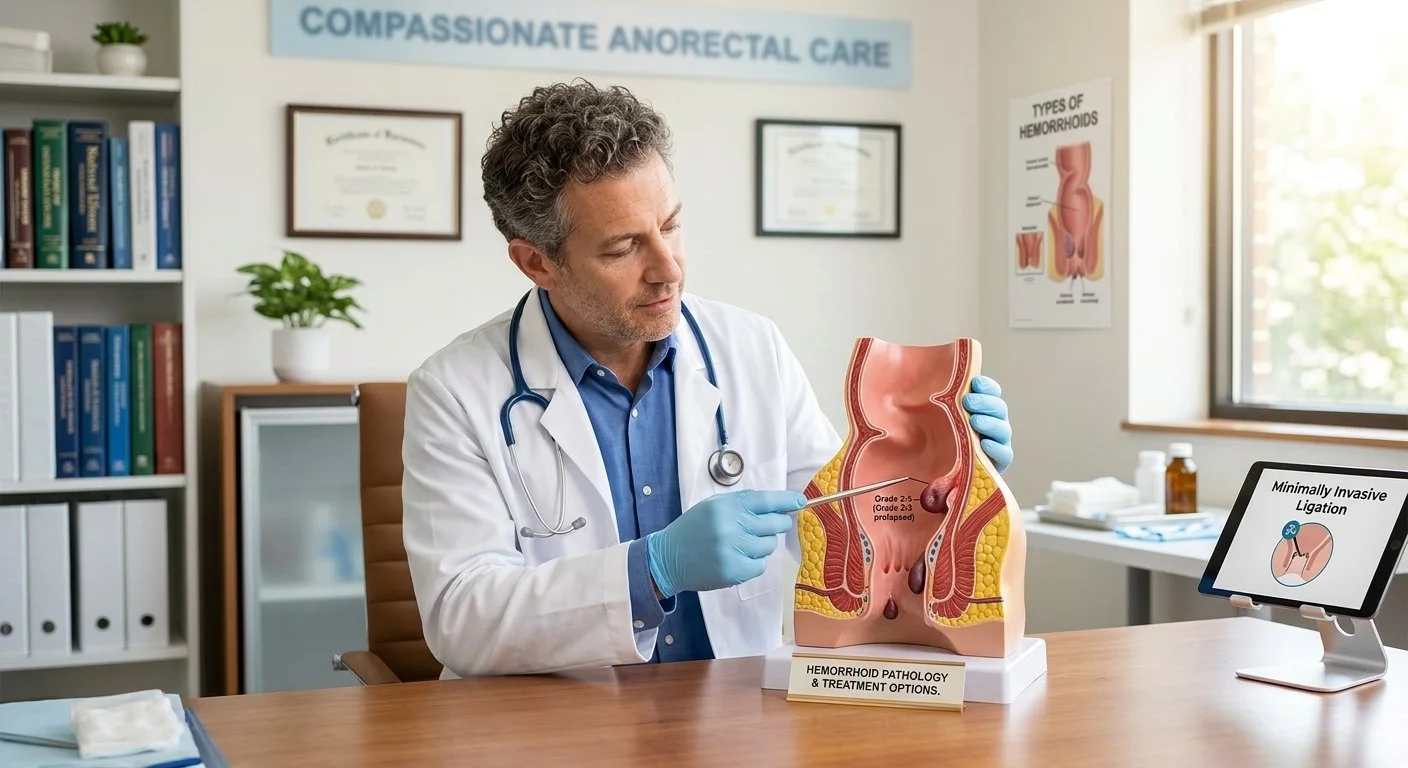
Hemorrhoid Treatment:
Effective Relief With Modern, Minimally Invasive Options
From dietary and medical treatment to advanced procedures such as THD, we offer personalized treatment designed around your symptoms, lifestyle, and goals.
Our Approach
Compassionate care • Evidence-based treatment • Minimally invasive options

Hemorrhoids Are Common — But You Don't Have to Live With Them
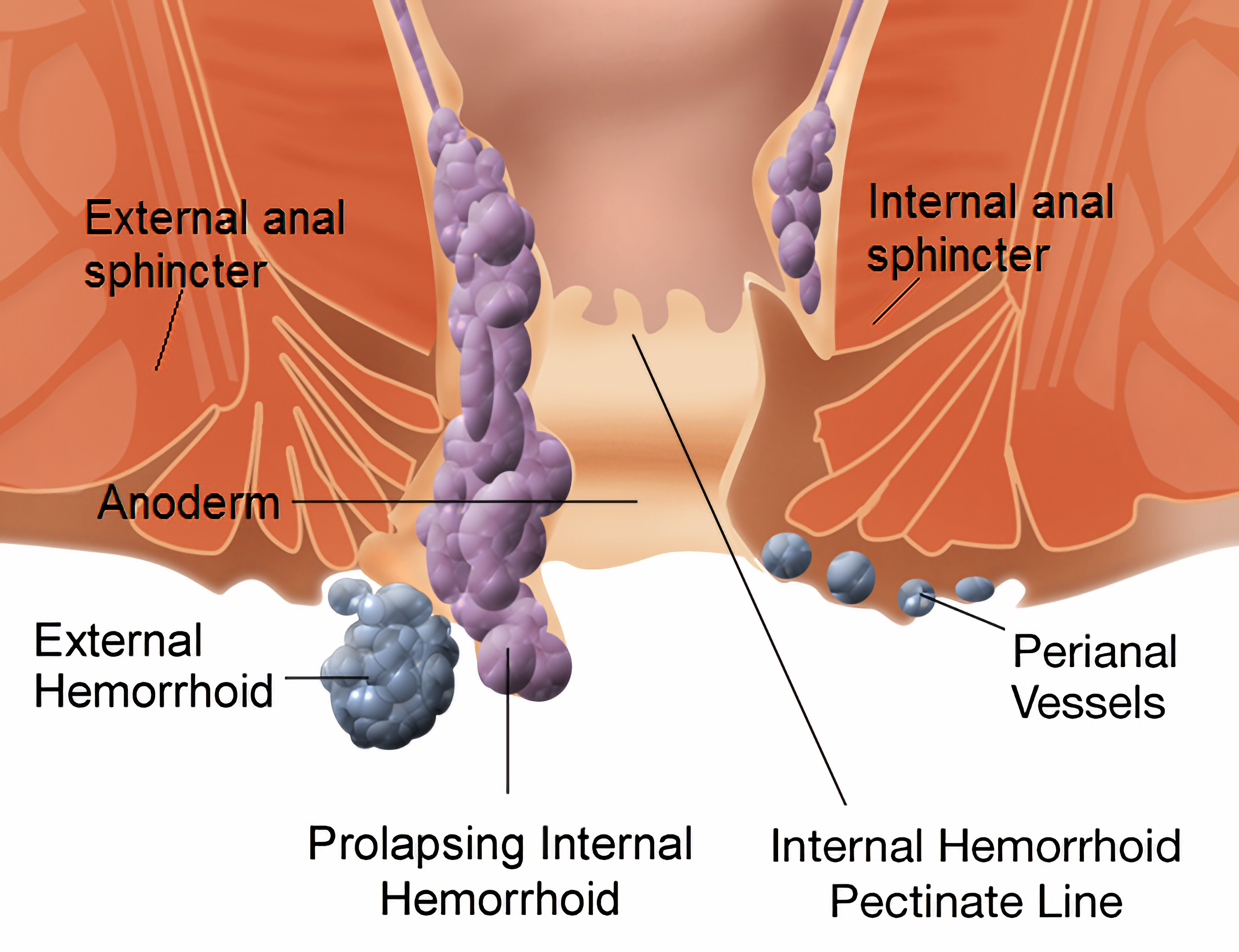
Hemorrhoids are normal vascular structures located in the anal canal. However, when they become enlarged, irritated, swollen, or prolapsed, they can cause significant physical discomfort and daily disruption. Many people delay treatment because they are embarrassed to talk about hemorrhoids. There is no reason to suffer in silence. A proper evaluation can determine whether your symptoms are truly caused by hemorrhoids and which treatment is most appropriate.
What Do Hemorrhoids Feel Like?
Internal Hemorrhoids
Bright-red rectal bleeding during bowel movements
Tissue protruding or prolapsing from the anus
Mucus discharge or mild skin irritation
Sensations of fullness, pressure, or incomplete evacuation
Note: Internal hemorrhoids are rarely painful unless prolapsed or strangulated.
External Hemorrhoids
Localized pain, itching, or soreness around the anus
Swelling or a visible firm bump near the anal opening
Difficulty maintaining cleanliness after bowel movements
Intermittent bleeding when wiped or irritated
Thrombosed Hemorrhoids
A blood clot forming within an external hemorrhoid
Sudden, severe, or throbbing anal pain
A firm, bluish, or highly tender lump near the anus
Difficulty sitting or walking comfortably
When Should You See a Doctor?
Rectal bleeding should never be automatically assumed to be hemorrhoids. A medical evaluation is essential to rule out other gastrointestinal conditions, including colorectal cancer or inflammatory bowel disease. You should consult a physician promptly if you experience:
Persistent or recurrent rectal bleeding
A noticeable change in bowel habits or stool shape
Unexplained weight loss or fatigue
Persistent abdominal or severe rectal pain
Symptoms of anemia (dizziness, weakness, or lightheadedness)
A new, firm, or rapidly expanding anal lump
Heavy bleeding or symptoms that do not improve with conservative home care
Why Do Hemorrhoids Happen?
Hemorrhoids develop due to increased pressure in the lower rectum and pelvic tissue. Common contributing factors include:
Chronic constipation or straining during bowel movements
Prolonged sitting on the toilet
Low-fiber dietary habits
Chronic diarrhea or frequent loose stools
Pregnancy and pelvic pressure during childbirth
Effective care focuses not only on removing hemorrhoidal tissue but also on addressing the underlying bowel habits and lifestyle factors that cause recurrence.
Treatment Starts With the Basics: Step 1
Many mild to moderate hemorrhoids improve significantly with conservative home care and dietary adjustments:
Fiber Optimization: Increase dietary fiber through whole foods or daily supplements (such as psyllium or methylcellulose) to soften and bulk stool, minimizing straining.
Hydration: Maintain adequate daily water intake to assist dietary fiber in keeping stools soft.
Avoid Straining: Never force bowel movements or hold your breath while straining.
Limit Toilet Time: Avoid sitting on the toilet for extended periods (such as reading or using phones).
Physical Activity: Engage in regular moderate exercise to encourage healthy gut motility.
Medications & At-Home Relief
For temporary symptom control during flare-ups:
Warm sitz baths (soaking the pelvic area in plain warm water for 15–20 minutes)
Topical over-the-counter creams containing lidocaine or witch hazel
Short-term topical hydrocortisone preparations to reduce itching and swelling
Safety Warning: Do not use steroid-containing hemorrhoid creams for extended periods without explicit medical guidance, as prolonged use can cause skin thinning and local tissue damage.
When Symptoms Keep Coming Back, It's Time to Consider a Procedure
When conservative treatment is insufficient, procedurally directed interventions are considered based on hemorrhoid type, size, and severity:
Office-Based Treatments
Best for select internal hemorrhoids. Options include rubber band ligation, sclerotherapy injections, or infrared coagulation to restrict blood supply and shrink internal tissue.
Minimally Invasive Surgery
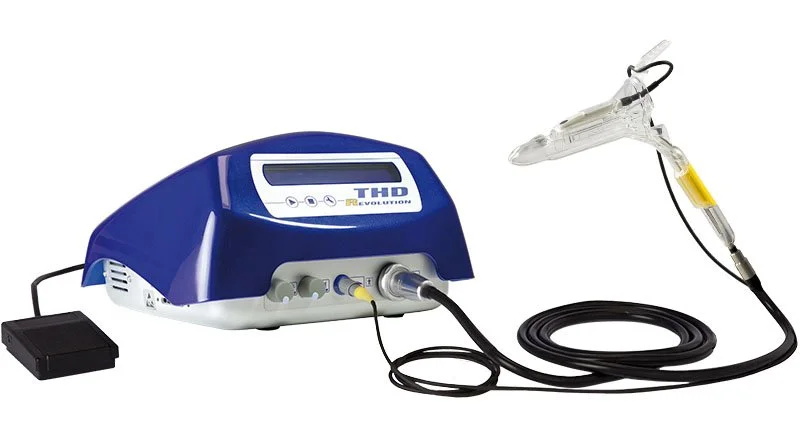
Procedures such as THD (Transanal Hemorrhoidal Dearterialization) offer precise arterial ligation and tissue repositioning without extensive surgical cutting.
Traditional Surgery
Excisional Hemorrhoidectomy involves complete surgical removal of diseased tissue, ideal for advanced, complicated, or combined internal/external disease.
THD: A Minimally Invasive Approach to Internal Hemorrhoids
Treat the source of the problem while preserving the surrounding tissue.
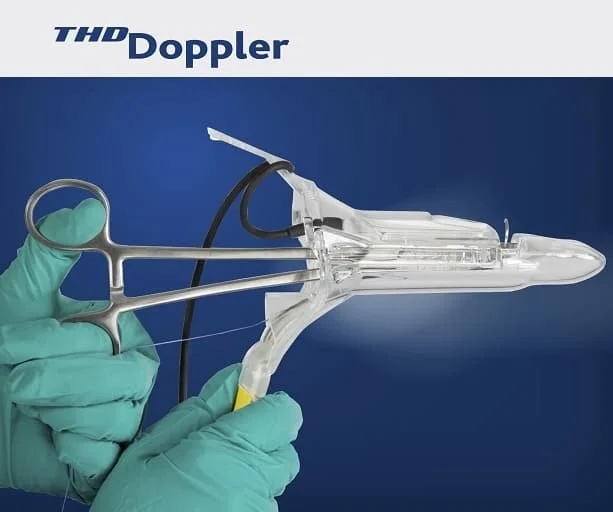
THD stands for Transanal Hemorrhoidal Dearterialization. Using a specialized Doppler-guided ultrasound device, the surgeon precisely locates the terminal branches of the superior rectal arteries supplying the hemorrhoids. Precise sutures are placed to reduce blood flow, causing internal tissue to shrink over time. When internal tissue prolapse is present, a mucopexy technique is added to lift and secure prolapsed tissue back into its anatomical position.
Note: THD is designed primarily for internal hemorrhoidal disease.
Why Patients May Choose THD
No Tissue Removal: Avoids routine surgical excision of anal mucosa.
Reduced Postoperative Pain: Operates above the pain line in the lower rectum, resulting in lower pain scores than excisional surgery.
Faster Recovery: Most patients return to daily routines and work significantly faster.
Addresses Bleeding & Prolapse: Restricts arterial blood supply and restores tissue position.
Same-Day Outpatient Procedure: Performed under general or regional anesthesia with same-day discharge.
Preserves Natural Anatomy: Maintains the physiological cushions of the anal canal.
Recovery After Hemorrhoid Treatment
Recovery times vary based on the procedure chosen:
Following THD: Patients often experience mild pressure, fullness, or urgency for 24–48 hours. Most resume regular non-strenuous daily activities within a few days.
Following Hemorrhoidectomy: Postoperative pain management, sitz baths, stool softeners, and adequate rest are crucial. Full healing generally takes several weeks.
How to Prevent Hemorrhoids From Coming Back
✓ Maintain high dietary fiber intake (25–35g daily)
✓ Drink plenty of fluids daily
✓ Avoid delay or straining during bowel movements
✓ Keep toilet visits under 5 minutes
✓ Stay active and avoid prolonged sitting
✓ Address chronic diarrhea or constipation promptly
Frequently Asked Questions
Are hemorrhoids dangerous?
Hemorrhoids themselves are benign, but their primary symptom—rectal bleeding—can mimic serious conditions like colorectal cancer. Professional evaluation is always recommended.
Can hemorrhoids go away without surgery?
Yes. Mild internal and external hemorrhoids often improve with dietary changes, increased fiber, and improved bowel habits.
What is THD?
THD (Transanal Hemorrhoidal Dearterialization) is a minimally invasive surgical procedure that uses Doppler ultrasound to tie off hemorrhoidal arteries and lift prolapsed tissue without cutting.
Is THD painful?
Because THD works above the dentate line (where sensory pain nerves are sparse), postoperative pain is generally far lower than traditional excisional surgery.

You Don't Have to Live With Hemorrhoid Symptoms
Whether your symptoms are mild or have been affecting your quality of life for years, clear, compassionate, and advanced surgical care is available.
Schedule your appointment:
Our office is conveniently located in Wesley Chapel.